
Blog
Feb
20

Feb
20
In our previous article, we examined IMCAS as a professional reference point: in which direction aesthetic medicine is moving, and why tissue quality, a regenerative approach, and safety are coming increasingly to the forefront.
IMCAS reflects the state of the profession not only through its scientific program: the industry symposia also clearly indicate where indications and development priorities are shifting.
Below, we do not provide a comprehensive congress report, but rather present a few professional mosaics from the IMCAS 2026 industry block — topics that fit well within the direction of long-term, structured, and responsible aesthetic thinking.
Feb
09

Feb
09
IMCAS is one of the most important professional reference points in international aesthetic medicine, functioning as a clear compass for the field’s ongoing development. Based on the professional focus areas and industry directions shaping IMCAS 2026, this article examines why skin quality, regenerative approaches, safety, and long-term thinking are increasingly central to aesthetic practice.
Dec
16

Dec
16
By 2025, aesthetic medicine has entered a new phase. Rapid technical solutions are increasingly being replaced by conscious planning, a regenerative approach, and greater consideration of human factors. The following summary examines how these changes appear in everyday aesthetic practice and what practical consequences they have for physician–patient decision-making.
Oct
27
Oct
27
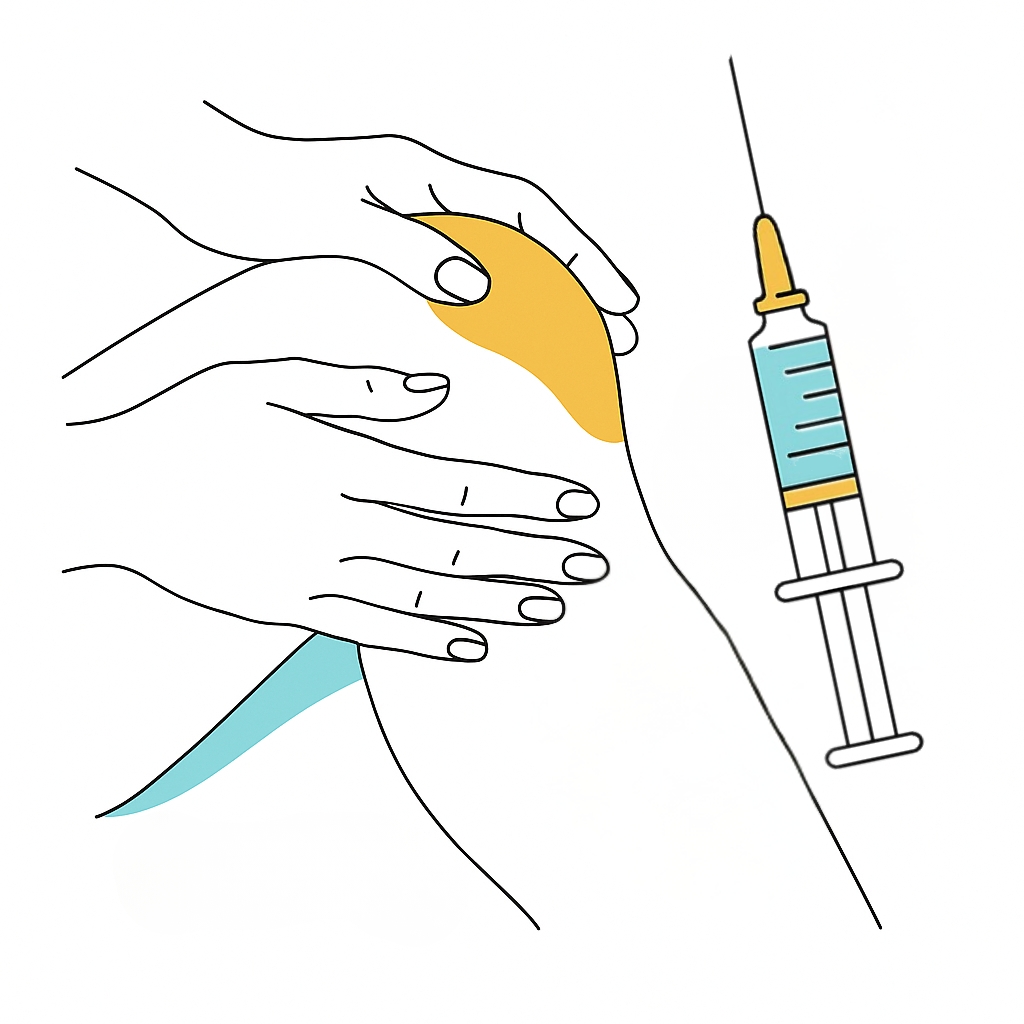
In the treatment of knee osteoarthritis, hyaluronic acid (HA) injections are being used with increasing frequency to improve joint “lubrication” and function. The summary below explains why high–molecular-weight HA formulations may outperform lower–molecular-weight alternatives and outlines the results that support this, based on the latest research.
Oct
16

Oct
16
Hyaluronic acid is one of the key components responsible for hydrated, supple skin and healthy joints. Today, it’s not only found in creams or injections, but also in dietary supplements, encapsulated for easy daily intake. But what do scientific studies say about the effects of oral hyaluronic acid? In this article, we take a look at the latest research findings.
Oct
13

Oct
13
Collagen induction represents one of the most promising directions in modern aesthetic medicine: by activating the skin’s natural regenerative processes, it simultaneously improves its structure, firmness, and elasticity.
This article explores how collagen inductors work, the different types available — from poly-L-lactic acid to calcium hydroxylapatite — and their respective clinical benefits, duration of effect, and safety profiles. Our goal is to highlight how collagen induction is becoming a key instrument in regenerative aesthetics.
Oct
09

Oct
09
In contemporary aesthetic medicine, collagen injection has entered a new phase: it is no longer merely a volumizing filler but a cell-level biostimulator that activates the skin’s intrinsic regenerative pathways. This article explains how high-purity, fish-derived collagen works, reviews the scientific and clinical evidence supporting its efficacy, and outlines why it is considered one of the most promising options in regenerative aesthetic medicine.
Oct
02

Oct
02
Step into the world of modern skin rejuvenation: Why is microneedling on the rise?
Microneedling activates the skin’s natural regeneration processes, enhances the absorption of active ingredients, and is increasingly supported by clinical studies confirming its effectiveness. In our article, we explain how it works, what results can be expected, and how it can be applied safely—even in a home setting.
Sept
23

Sept
23
Discover why hyaluronic fillers have become the stars of modern aesthetic treatments! Natural results, minimal risks, reversibility, and continuous technological innovation – these factors make them the favorites of both patients and professionals. In our article, we explain how they work, what to pay attention to, and where their future is heading in aesthetic medicine.